Neuroplasticity reduced in brains of people with depression
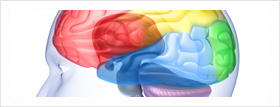
The brains of people with depression show a reduced ability to adapt to their environment, learning and memory. a unique study shows. This is one of the first objective tests to show that depression is linked to decreased neuroplasticity. The magnetic stimulation tests also showed the lesssened neuroplasticity was not related to how much effort the person made. Read more
Doctors urge mental health screenings with physical exams
Most people don't address mental health issues until they drastically interfere with their lives, says a new study. This could be avoided with regular screenings.
Read more - USA Today
Calgary Flames Hockey Coach talks about his battle with OCD and depression
Facing a losing battle with depression, OCD and heavy drinking, Clint Malarchuk put a bullet to his bed. Miraculously, he survivived. Today he tells his story to corporations and high schools. "What makes me any different than a diabetic or someone with high cholesterol or a heart condition. You need medication, you take it."
Read more - Calgary Sun
Canada launches wokplace standards for mental health and safety
The Mental Health Commission of Canada released a standardized tool to help Canadian companies promote mental health, reduce stigma and support employees dealing with mental illness.
Read more
Magnetic helmet "rewires" the brain
The U.S. Food and Drug Administration approved a helmet using magnets to treat depression in patients who have failed to respond to antidepressant medications.
Read more
Toronto's CAMH launches Temerty Centre for Therapeutic Brain Intervention
A $7.2 million donation from the Temerty Family Foundation will fund research into promising new treatments for persistent and severe mental illness, including Canada's first clinic using Magnetic Seizure Therapy (MST). Read more
Calgary researchers could help depression sufferers get well sooner
A new pilot project at Foothills Medical Centre and the University of Calgary could one day help people with major depression get well sooner. The study will use blood and urine tests and brain scans to determine if there is a biological marker that will help selecting the most effective medication. Read more


copy-113x188.jpg)